From the outside, everything looks fine. On the inside, you’re breaking down.
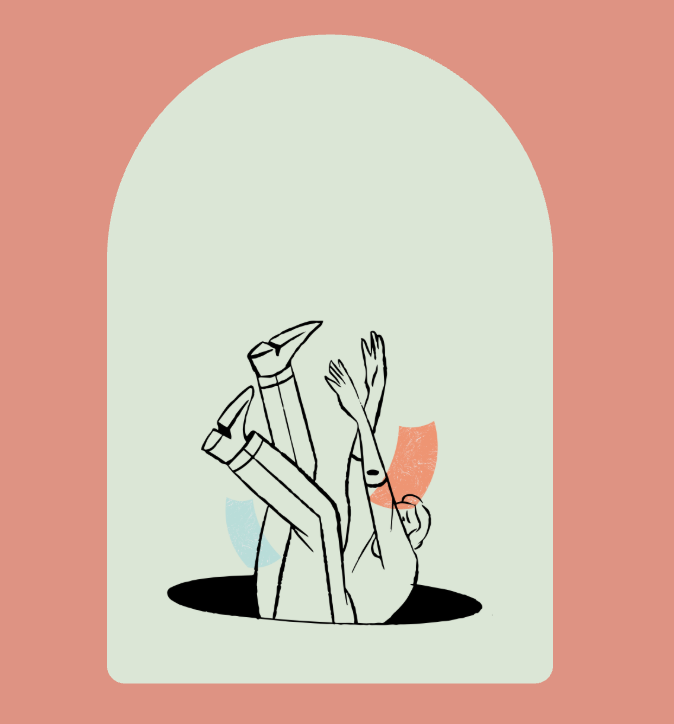
You’re the Quiet Collapser

Keep scrolling for full bio and break down of your results!

You've gotten very good at being okay.

So good, in fact, that you often don't realize you're not okay until you're already deep in it, or until someone else notices first and you have to pretend you knew.

The Quiet Collapser doesn't crash loudly.
There's no dramatic breakdown, no obvious unraveling, nothing that looks like a crisis from the outside.

There's just a slow dimming. A numbness that crept in so gradually you're not entirely sure when it started.

You might still be doing all the things: showing up, completing tasks, holding conversations, but there's a distance between you and your own life that's hard to describe.

Like you're watching yourself from somewhere slightly outside your own body. Present, technically. But not really there.

What's happening in your nervous system:

Dissociation and emotional numbing are nervous system responses to prolonged overwhelm: your system's way of protecting you when the load has been too high for too long.

For late-diagnosed AuDHD adults who spent years — sometimes decades — with no framework for what was happening in their brains, this kind of quiet shutdown is extremely common. The diagnosis often arrives as both a relief and a loss. There's grief for all those years spent running a system without a manual. Sometimes that grief gets quietly numbed along with everything else.

What helps the Quiet Collapser:

Gentle reconnection with your own experience

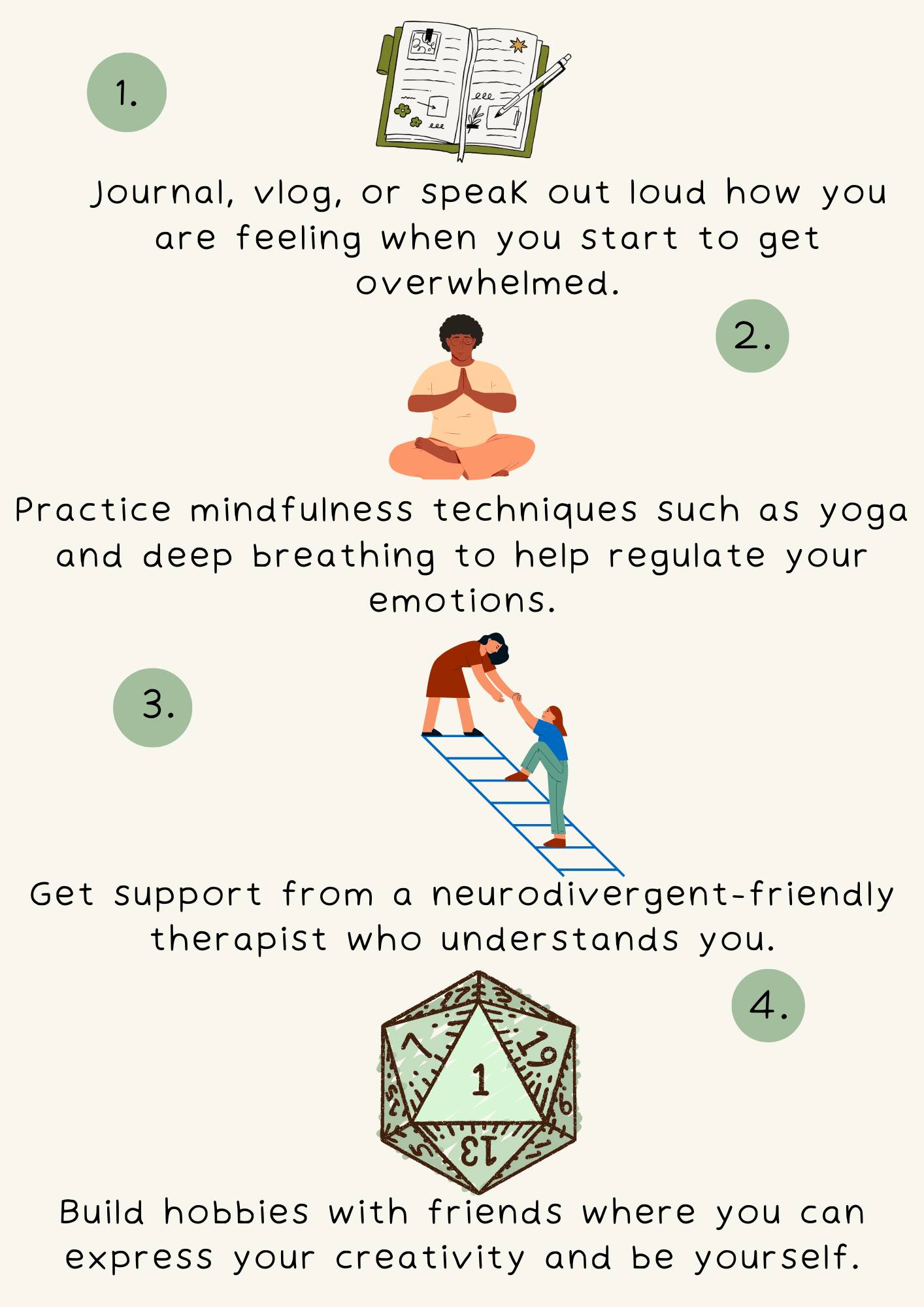
Start with curiosity, exploring the AuDHD you, before your diagnosis. Write a letter to your past self, or scribble some recollections in a journal, or practice meditation like yoga Nidra. These are all mindfulness practices that brings you safely into the present, while showing gentle compassion to your past self. Thank that past version of yourself for helping you survive.

Community and the specific experience of being genuinely seen by people who actually see you

Building community is so important. Playing DnD with a group of people who ADORE your quirks or watching re-runs of FRIENDS with friends who can make you laugh, is priceless. You will find your people, especially now that you are learning how to live authentically within yourself.

Psychoeducation that validates what you went through before the diagnosis

You can’t know what you don’t know. Now, that you’ve sat down with a mental health provider and are diagnosed, this is the first step of self-awareness. As you learn more about being late-diagnosed AuDHD, you’ll begin to read things and go, “oh! That’s why I did that” and view yourself with self-compassion rather than shame/guilt.

Working with someone who understands late diagnosis and doesn't require you to perform recovery

There are some professionals who do not understand neurodivergent adults. They either infantilize (treat us like we don’t have any agency) us or interpret our behavior as deceitful or manipulative. Finding a support system that is neuro-affirming helps you to understand your brain, while creating a no-judgement and caring space.

You don't have to feel better on anyone's timeline. You don't have to perform healing any more than you performed being okay.

The work here is slow, quiet, and real. Reconnecting with yourself at whatever pace your nervous system can actually hold. You haven't disappeared. You've been protecting yourself.

And you can come back.

Your Next Steps?

  • Filled with gems, personal stories, and tips on navigating adulthood as someone who is AuDHD. Including articles on navigating masking.

    Read the blog here.

  • This free, 8-week peer support group is a sister circle for autistic women. Learn more.

  • Price: $0- $37

    A neurodivergent-designed, roadmap to help you overcome decision fatigue and executive dysfunction to executing your goals and plans.

    Download Here.

    Or download the free quick, mini-guide here.

  • Price: Sliding scale ($80-$120)

    Accessibility Coaching for neurodivergent adults is a single 50-minute session where we work on one challenge together. No long commitment, sliding scale $85–$120. It's the lowest-barrier way to start.

    Book a free discovery call here.

  • Price: $997

    If you're ready to go deeper, the AuDHD Roadmap is an 8-week 1:1 coaching journey built specifically for late-diagnosed AuDHD adults. covering identity, systems, nervous system regulation, and building a life that actually fits you.

    Learn more here.